26 October 2026 · Tent Ideas · WT tent
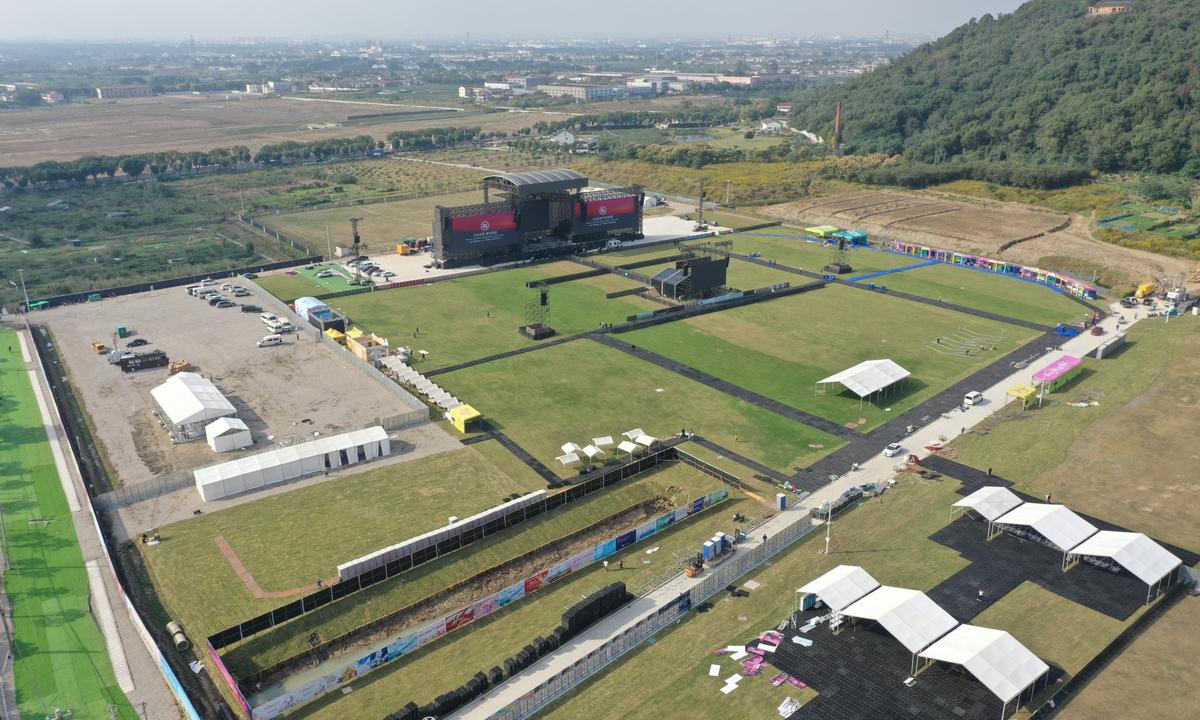
Modern music festivals have evolved far beyond single-day events. With processes spanning from pre-event rehearsals and multi-day performances to post-event teardown and site clearance, the entire project lifecycle has grown significantly longer. Organizers must also contend with unpredictable weather conditions, such as sharp temperature fluctuations between day and night, sudden rainfall, and strong nighttime winds. Tents serve as essential infrastructure—providing shelter for audiences, VIP lounges, backstage areas for artists, food and beverage markets, and space for medical and security checkpoints. Choosing the wrong type of tent or an unsuitable rental model can lead to issues ranging from leaks and water pooling on the roof to serious structural risks—all of which can disrupt the event schedule or even result in liability and compensation claims. Many organizers focus solely on the daily rental rate when comparing quotes, overlooking the unique requirements of multi-day festivals. In reality, the same tent equipment can come with vastly different service scopes, liability boundaries, and ideal use cases depending on the rental model chosen. In this guide, we will break down the four mainstream rental models for music festival tents, helping you quickly identify the best fit for your project’s specific needs.
Option 1: Renting only the main tent structure.
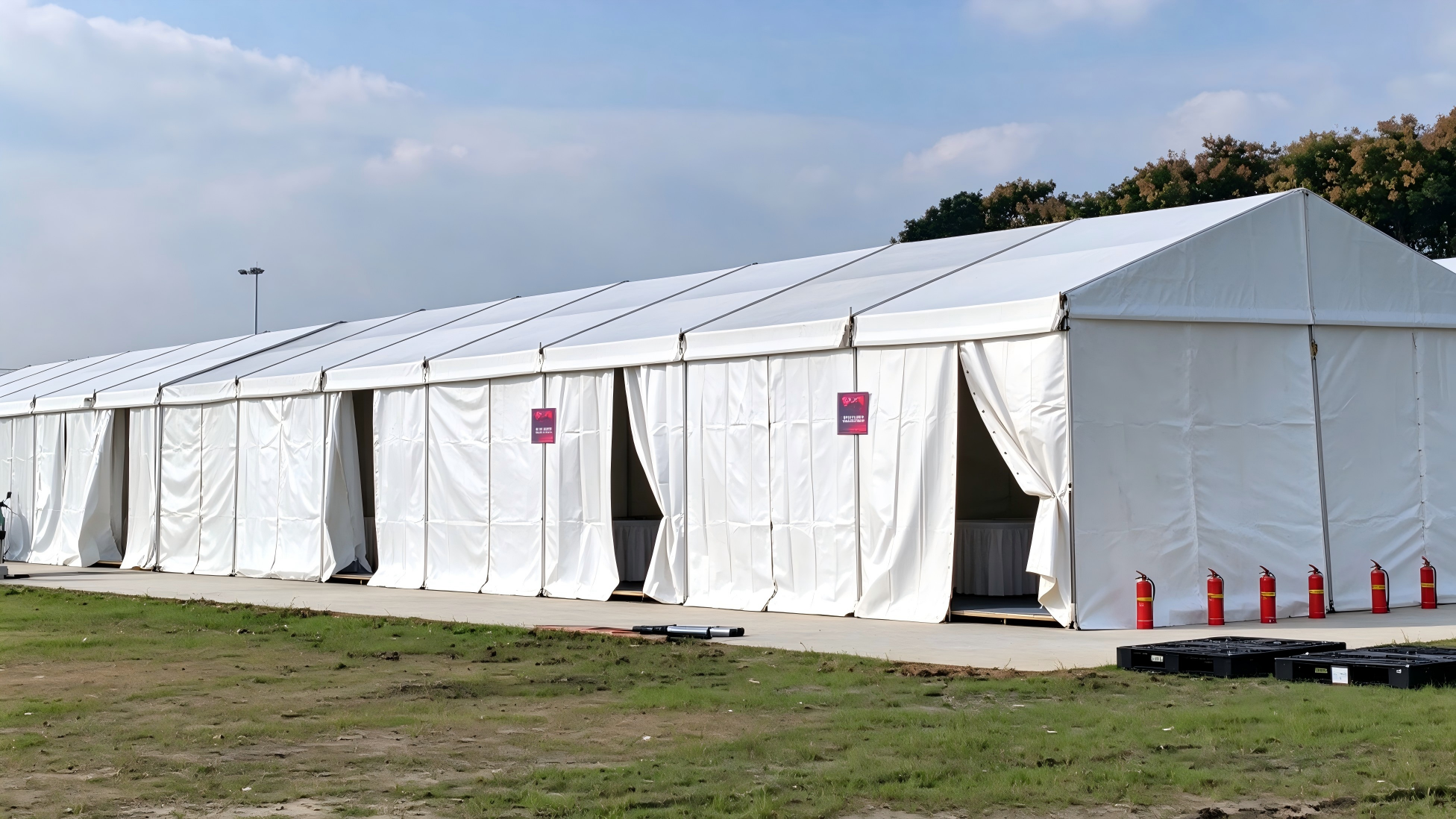
The service provider supplies only the aluminum alloy frame, tent fabric, and basic ground anchors or ballast weights; transportation, assembly, dismantling, on-site maintenance, and accessories are not included. While this model offers the lowest unit cost, the organizer assumes all associated risks. It is suitable only for projects that have their own experienced assembly teams and structural safety personnel, and where the tents are used solely for minor logistical purposes—such as storage or security checkpoints. This option is strongly discouraged for primary spectator tents or food and beverage service tents. In the event of prolonged wind or rain, tent fabric may tear or frames may loosen; finding personnel for emergency repairs on short notice is difficult, and the lack of professional safety inspections creates significant hazards.
Option 2: The "All-Inclusive" Package—the most common approach for music festivals.
This package bundles the tents, transportation, on-site installation, and final dismantling after the event. The rental period is calculated based on the entire duration—from the start of installation to the completion of teardown—rather than just the day(s) of the performances. Consequently, multi-day events offer significantly better value than single-day rentals. This model is ideal for small-to-medium-sized music festivals held in stable weather conditions, particularly where tents are primarily used for backstage areas or vendor markets.
However, it is important to note that this standard package typically does not include ongoing inspections (day or night) during the event. Additional costs will apply for services such as re-securing structures following severe weather (high winds or heavy rain), replacing damaged tent fabric, or performing emergency repairs. Furthermore, in the event of sudden, adverse weather during the night, immediate response may be difficult to guarantee.
Option 3: Full-Service Package with On-Site Maintenance.
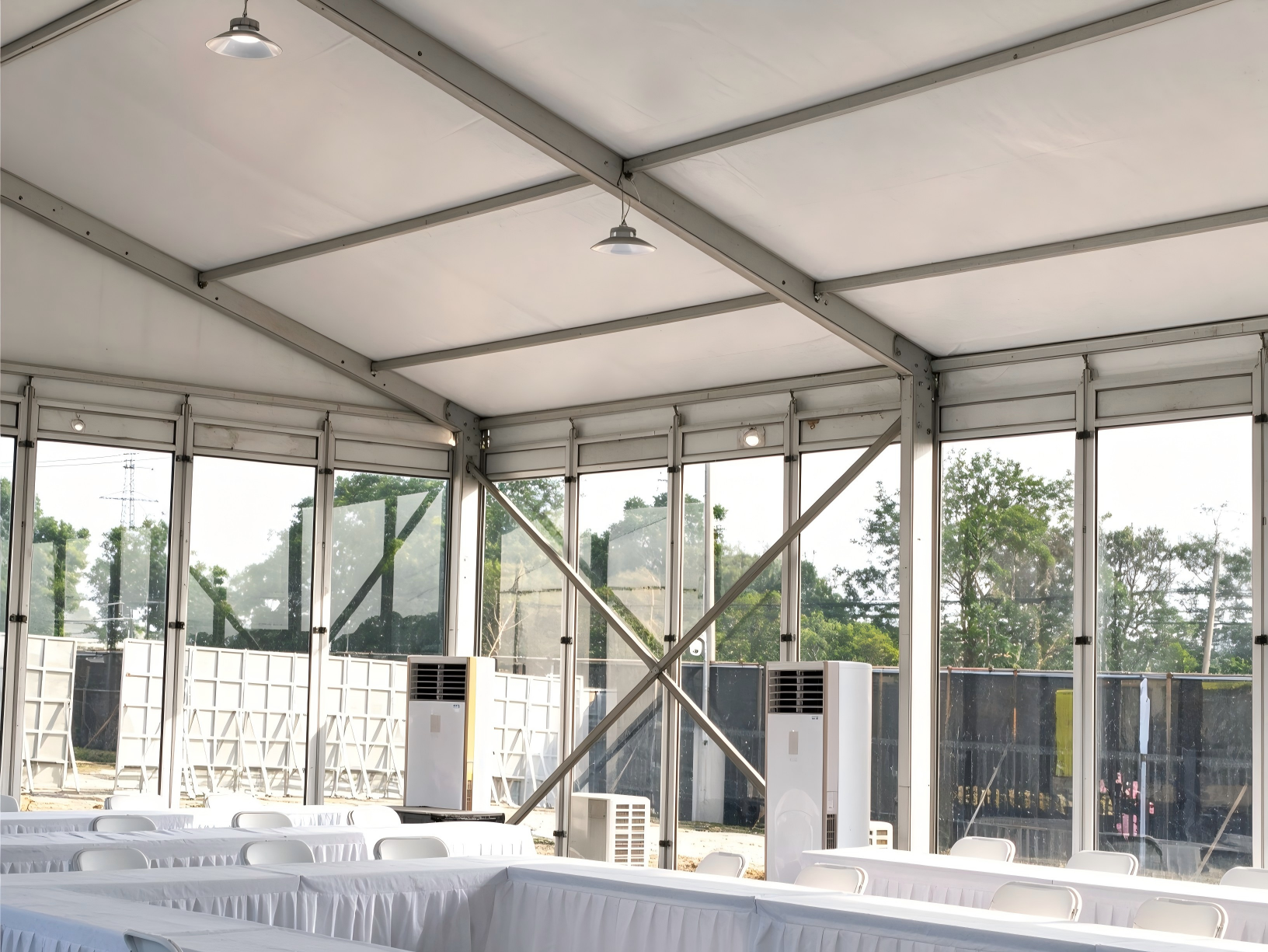
This option builds upon the standard all-inclusive package by providing a dedicated technical team stationed on-site. Their responsibilities include scheduled morning and evening inspections, proactive reinforcement and clearing of accumulated water from tent roofs ahead of forecasted severe weather, repairing any damaged fabric, and performing emergency repairs whenever necessary. The service also encompasses the provision of fire safety documentation, structural integrity calculations, and insurance coordination, as well as support during follow-up inspections by safety and fire authorities. This solution is the preferred choice for large-scale events—such as music festivals with tens of thousands of attendees—or for installations in coastal areas prone to heavy rain and high winds, covering structures like main audience rain shelters, VIP/media tents, and medical tents. For multi-day events, the presence of an on-site team is invaluable; they can address issues immediately—even in the middle of the night—preventing potential delays to the next day’s performances. While this option costs 20%–40% more than the basic all-inclusive package, it helps avoid the massive financial losses associated with event cancellations, establishes clear boundaries for safety liability, and provides a comprehensive, one-stop solution for all necessary regulatory documentation—offering significant peace of mind. When signing the contract, be sure to clearly define the on-site duty hours, emergency response timeframes, and spare parts inventory, while also establishing explicit terms for liability regarding natural wear and tear, damage from extreme weather, and human-caused damage.
Option 4: Long-term framework lease with maintenance included—ideal for extended, continuous event cycles.
Under this arrangement, equipment is leased on a weekly or monthly basis at a further reduced unit rate, with the service provider conducting regular on-site maintenance and structural inspections. This model is well-suited for hosting multiple consecutive music festivals or a series of touring performances at the same venue, typically spanning 10 days or longer. It is not necessary to consider this option for shorter-term event runs lasting 3–7 days.
Additionally, there are several specific pitfalls unique to multi-day music festivals that must be addressed in the contract:
1. Clearly define the rental period: The term should span from the initial setup day through to the completion of dismantling and site restoration. Do not agree to a billing structure based solely on the days of the actual performances; this prevents unexpected surcharges for setup and teardown activities.
2. For events held on lawns, prioritize a ballasted (weighted) anchoring system. Prolonged rain can cause ground anchors to loosen, so establish clear terms in advance regarding the costs for any necessary re-securing or reinforcement following rainfall.
3. Request the following documentation in advance: B1-rated fire-retardant certification for tent fabrics, structural wind-resistance calculations, and a third-party liability insurance policy for the project—all of which are mandatory for obtaining official festival permits.
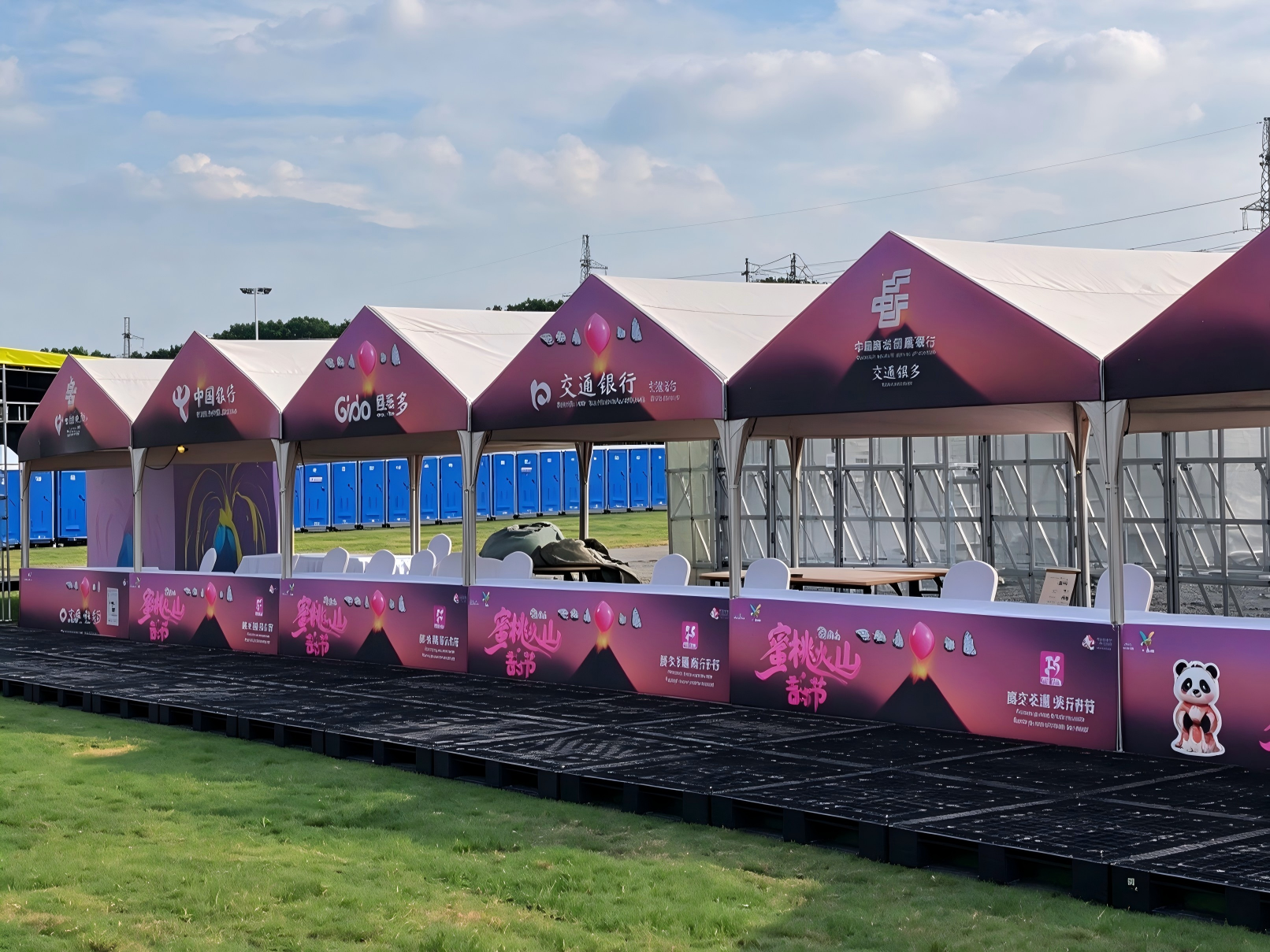
4. Opt for large-span, column-free aluminum-alloy A-frame tents, as they offer more open space and superior wind resistance. While smaller, peaked-roof tents (often used for markets) are aesthetically pleasing, they have lower wind resistance and must be included in your daily safety inspection checklist.
At music festivals, traffic is king—but all the excitement must be built upon a foundation of safety and security. For single-day events, the focus is on setup; for multi-day festivals, it shifts to ongoing operations and maintenance. Choosing the right tent rental model isn’t just about saving money; it’s about making a cost-effective investment to proactively manage unpredictable risks—such as weather, structural integrity, and emergency contingencies—ensuring the entire festival unfolds without a hitch.