
29 October 2026 · Tent Ideas · WT tent
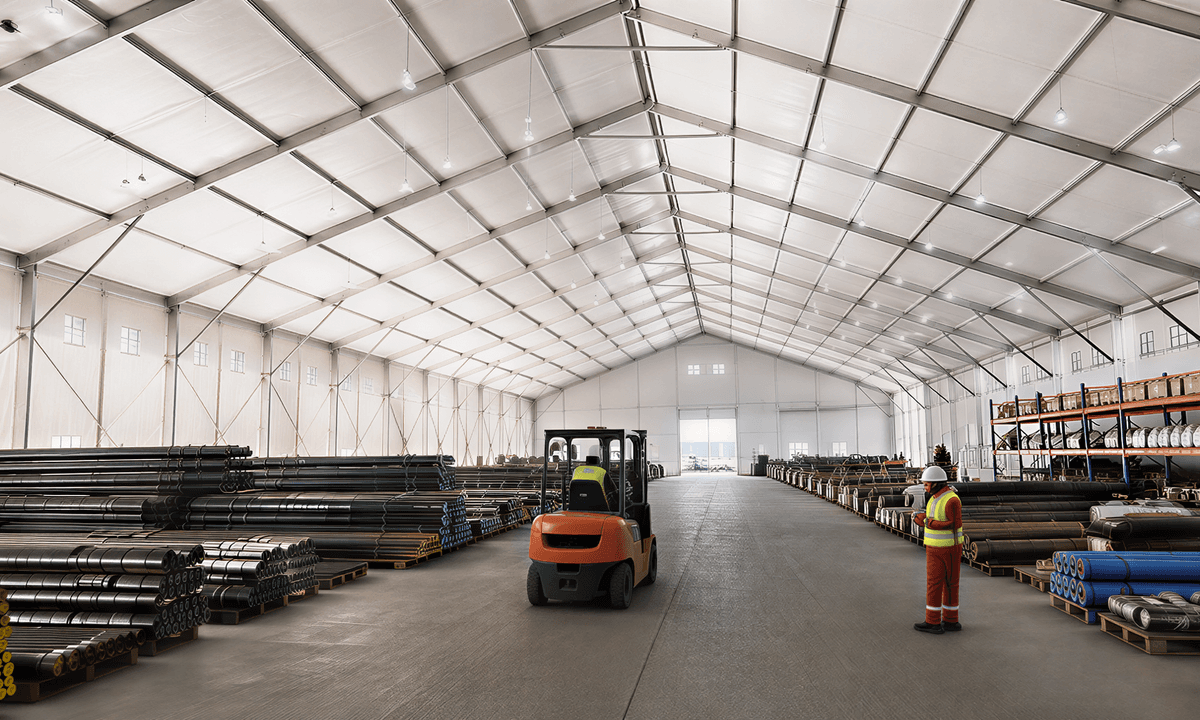
When looking to expand their warehouse capacity, many manufacturing and logistics companies often wonder: since storage tents are essentially prefabricated structures, are they suitable for long-term, reliable use? Are they prone to premature aging, leaks, or structural instability?
WT Architecture provides a clear answer: storage tents that meet industrial load-bearing standards and are constructed with high-quality, compliant materials—provided they are installed correctly and maintained regularly—can serve as long-term facilities for storing raw materials, finished goods, or logistics inventory. They function effectively as semi-permanent storage solutions. However, it is important to note that standard, general-purpose tents cannot serve as a substitute for industrial-grade storage tents.
Service life of individual components of storage tents
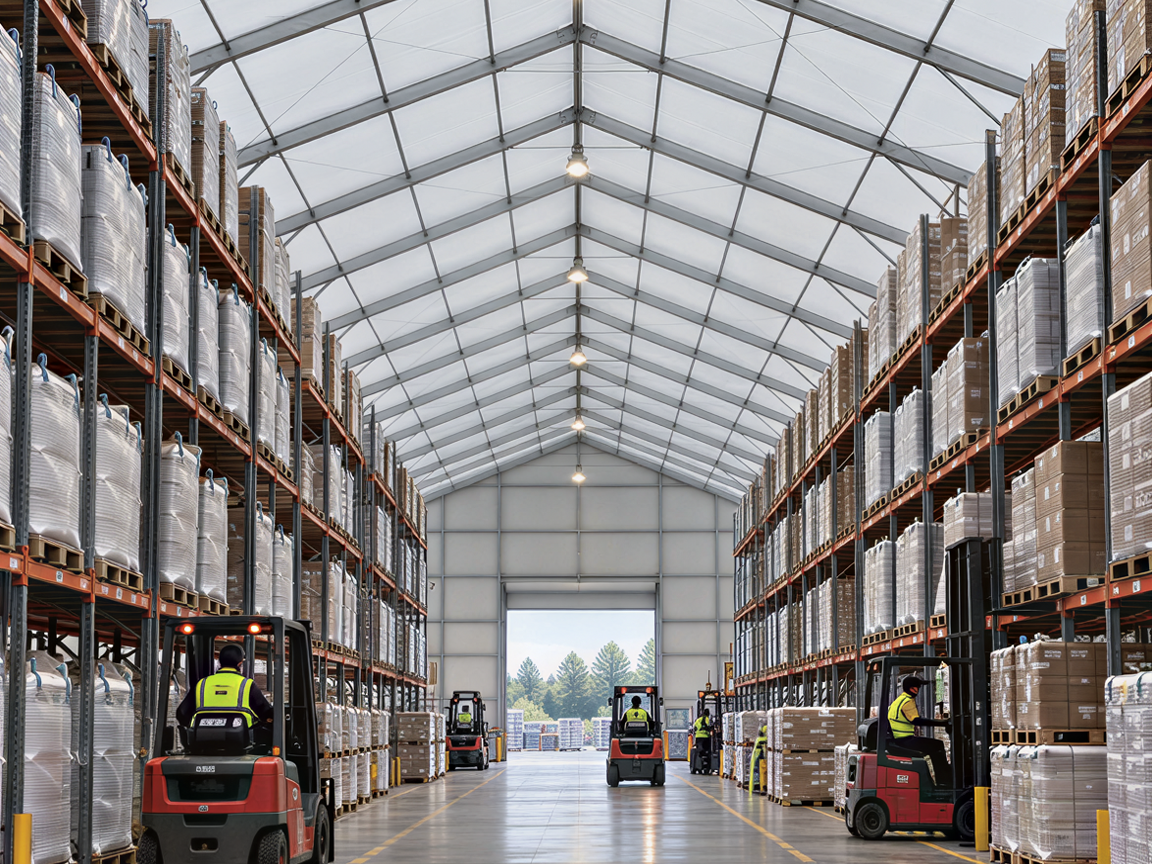
Aluminum Alloy Frame: Constructed from 6061-T6 aerospace-grade aluminum profiles with an anodized, anti-corrosive finish. It offers a service life of over 30 years under normal conditions and features a modular, demountable design that allows for relocation and repeated use.
PVC Storage Cover: Made from 850g/㎡ double-sided coated fabric, this material is UV-resistant, waterproof, and B1-rated flame-retardant, with a typical service life of over 10 years. As the cover is a consumable component, it can be replaced individually without the need to dismantle the entire frame.
Connectors: Hot-dip galvanized steel components with additional anti-corrosion treatment; for coastal areas exposed to salt spray, enhanced anti-corrosion specifications are available.
In regions subject to high winds, heavy snowfall, or intense sun exposure, the cover may age more rapidly; therefore, the initial project design should incorporate targeted reinforcements.
Suitable for long-term storage scenarios
Storage for factory raw materials and finished goods: Constructed on hardened ground, these structures feature large spans without internal columns, allowing for easy forklift access. They can be equipped with rigid wall panels, sliding doors, natural lighting, ventilation systems, and fire safety infrastructure—ideal for routine storage needs and rapid capacity expansion during production scaling. Logistics and e-commerce transit/staging warehouses: Designed to adapt to seasonal fluctuations in cargo volume, these units provide long-term storage during standard periods and can be quickly expanded by adding modular sections during peak promotional events, offering a flexible solution to overflow issues. Storage for equipment and molds: These structures provide protection against rain and dust, safeguarding tooling and large-scale equipment while minimizing damage from rust or corrosion.
Note: These structures are not recommended for specialized storage requirements such as temperature- and humidity-controlled environments or the handling of hazardous chemicals (which would necessitate additional, higher-cost temperature control or explosion-proof systems). Furthermore, please ensure you are familiar with local regulations regarding prefabricated or modular construction before proceeding with installation.
4 Key Conditions for Long-Term Safe Use
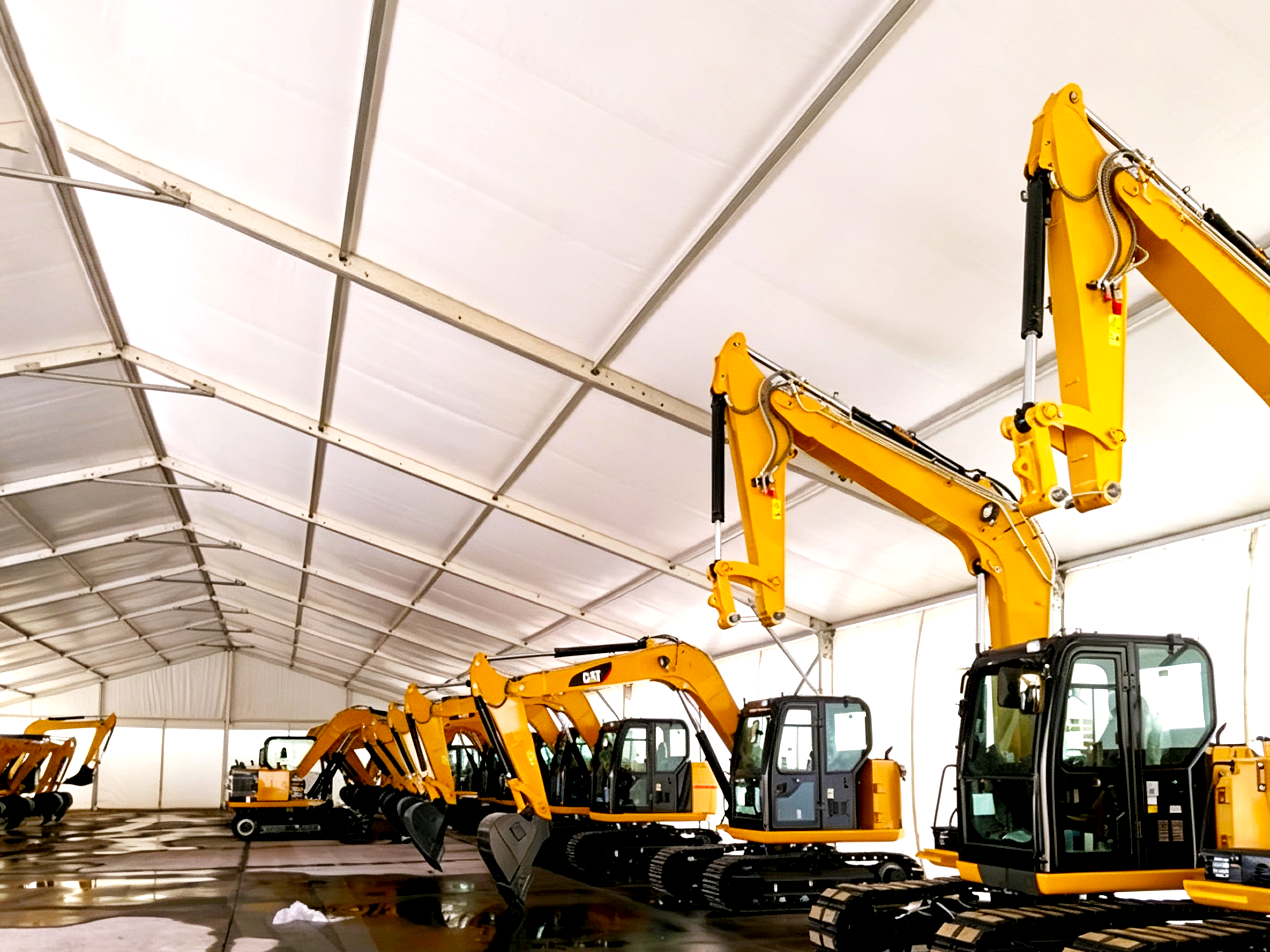
Customized solutions based on local snow and wind loads: For regions prone to heavy snowfall, typhoons, or high rainfall, load-bearing capacities are increased accordingly, supported by formal structural calculation reports.
Site-specific anchoring strategies: Ground anchors are used for concrete surfaces; ballast (counterweights) is employed where anchors cannot be installed; soft soil foundations are reinforced in advance. The use of simple sandbags for securing structures is strictly prohibited.
Fire safety compliance: All tent fabrics are provided with flame-retardant test reports. Systems such as sprinklers, smoke exhaust, and emergency lighting can be integrated, with full documentation available for inspection.
Regular maintenance: Quarterly inspections of bolts and anchor points are conducted; gutters are cleared and tent fabrics are checked during the rainy season. Prompt repairs of any damage help extend the overall service life of the structure.
Comparison Between Warehouse Tents and Traditional Steel-Structure Warehouses
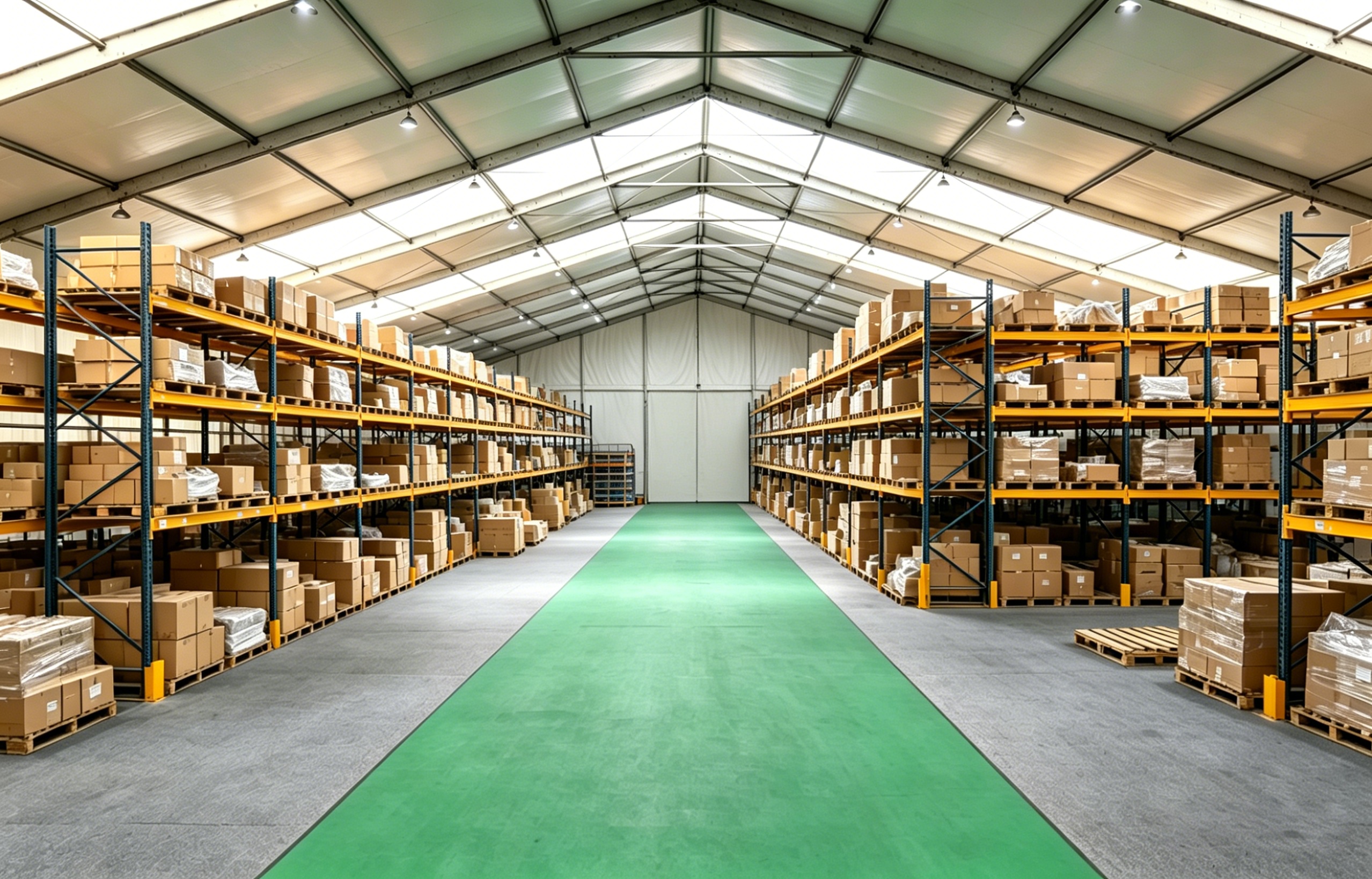
Tented structures can be completed in just a few days to two weeks, involve a simpler approval process, and cost approximately 30%–50% of a steel-structure warehouse; they also allow for future dismantling and relocation. In contrast, steel-structure warehouses require longer construction periods and more complex administrative procedures, and are difficult to modify—though their main structural framework does not necessitate frequent replacement of the enclosure materials.
Conclusion
Storage tents are more than just temporary, emergency-use shelters. When you choose industrial-grade storage tents—supported by proper design and ongoing maintenance—they can serve as stable, long-term storage facilities for factories and logistics parks. This solution is ideal for businesses seeking an "asset-light" approach and the flexibility to expand their storage capacity. WT Architecture specializes in providing industrial storage tents; we offer customized solutions tailored to your specific site, local wind and snow conditions, and the nature of the goods being stored, complete with technical drawings and load-bearing specifications. If you need to expand your storage space, please feel free to reach out to us.